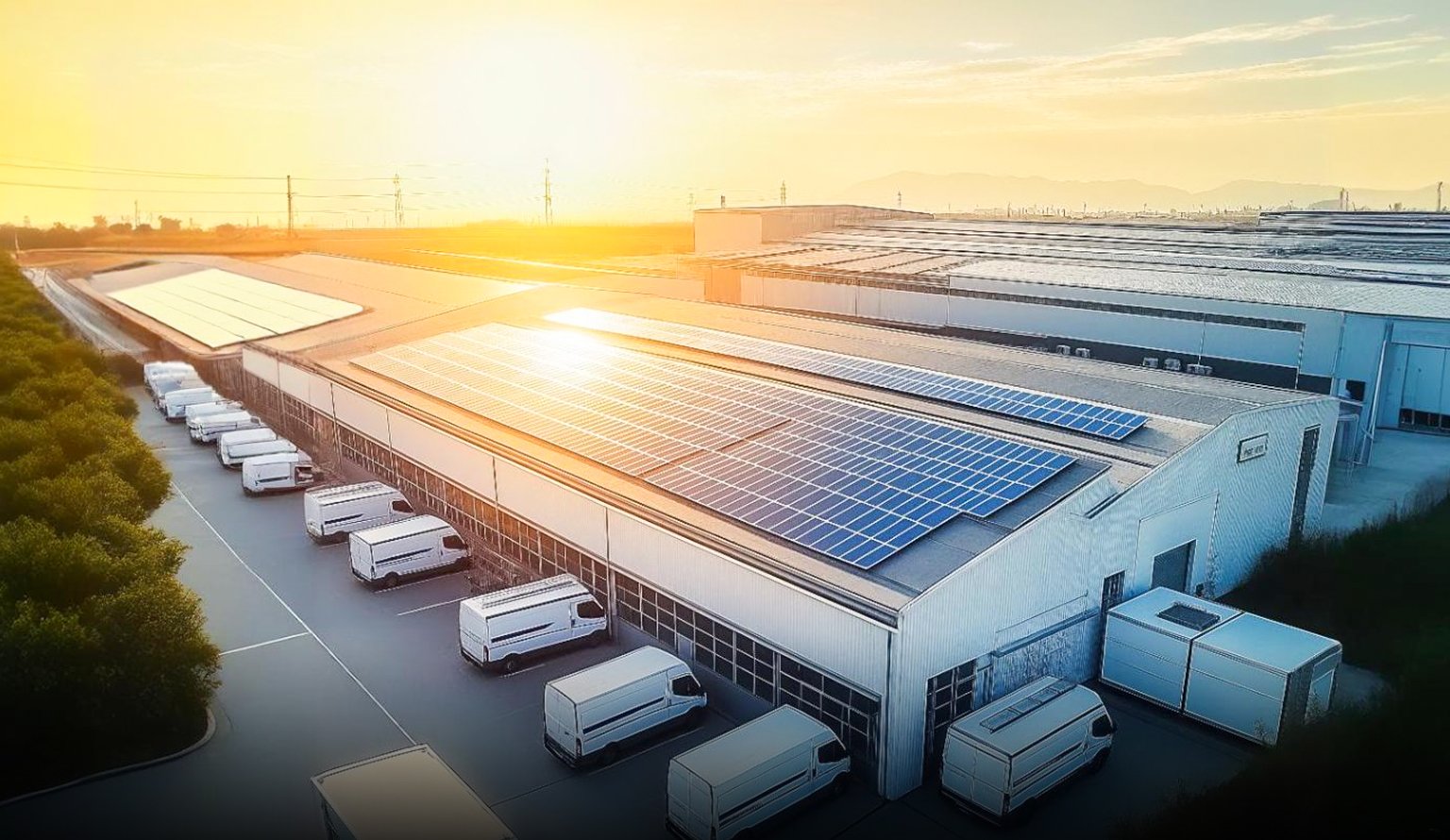
Walk through any industrial estate around Vadodara, Padra, Halol or Savli and you'll see more and more factory roofs covered with solar panels. For industries, solar has moved from "green initiative" to a clear business decision.
1. Industrial electricity is expensive
Industrial and commercial tariffs are higher than residential tariffs, and they include demand charges, fuel adjustments and duties. Every unit generated on your own roof is a unit you don't buy at that rate.
2. Factory loads match solar hours
Most factories run their heaviest loads during the day — exactly when solar generates. This means a high share of solar power is consumed directly, giving excellent returns.
3. Large, unused roofs
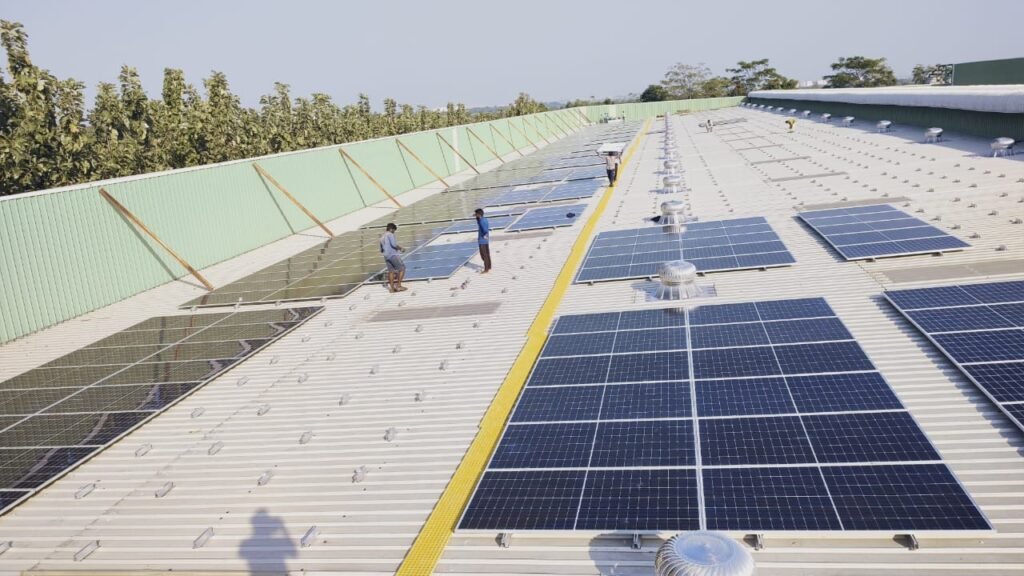
Industrial sheds have big, unshaded roofs that otherwise earn nothing. A 1,000 sq. m. roof can typically host around 100 kW or more of solar, depending on layout. See solar on metal sheet roofs.
4. Fast payback
Commercial and industrial rooftop systems commonly pay back in roughly 3–5 years, depending on tariff and consumption pattern — and then generate for 20+ more years.
5. Tax benefits
Businesses may be able to claim accelerated depreciation on solar assets, improving returns further. Read tax benefits of commercial solar (and consult your CA).
6. Sustainability and customer requirements
Export customers and large brands increasingly ask suppliers about their energy use and carbon footprint. Solar helps meet sustainability targets and strengthens your company profile.
7. Protection from future tariff increases
Solar effectively locks in the cost of a large share of your power for decades.
What industries must plan for
- Electrical integration with existing HT/LT systems, transformers and DG sets — see solar and HT/LT integration
- Roof condition — repair or replace old sheets first
- Fire safety and safe walkways for maintenance
- Approvals from the DISCOM and electrical inspector
- Monitoring of generation and consumption
Frequently asked questions
How much roof area does 100 kW need?
Roughly 600–1,000 sq. m., depending on panel wattage, roof type, layout and walkways.
Can solar run my factory at night?
Not directly. Solar covers daytime load; night load comes from the grid or DG unless large batteries are installed.
Will solar reduce my demand charges?
Not reliably, because demand can peak when solar output dips. Solar mainly reduces energy (unit) charges.
Why an electrical contractor makes the difference
Industrial solar isn't just panels — it's protection coordination, synchronisation, earthing and safe evacuation of power into your network. Naksh Power Solution is a Government Licensed Electrical Contractor with industrial HT/LT experience. Discuss your factory's solar plan.


